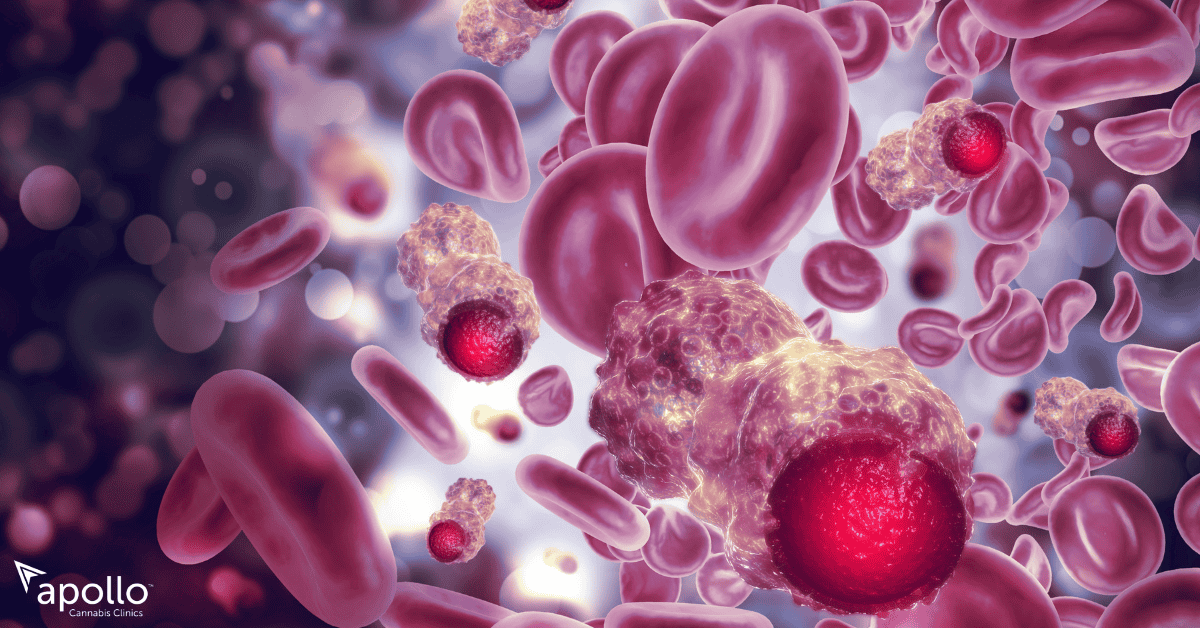
How To Manage CLL Cancer Symptoms with Medical Marijuana
What is CLL Cancer? Chronic Lymphocytic Leukemia (CLL) is a type of blood cancer that affects the bone marrow and lymphatic system. It’s a slow-progressing

If You Are:
If You Are:
Migraine headaches vary in severity and length, but can be debilitating episodes that last upwards of three days. Taking cannabis when you have migraine symptoms has been known to quickly decrease the pain.

Living with migraines can be extremely challenging, affecting your ability to work, maintain relationships, and enjoy everyday activities. Migraine headaches vary in severity and length, but can be debilitating episodes that last upwards of three days, causing intense pain, sensitivity to light and sound, nausea, and other disruptive symptoms.
For many Canadians suffering from migraines, traditional treatments provide only partial relief or come with unwanted side effects. Taking cannabis when you have migraine symptoms has been known to quickly decrease the pain, offering a potential alternative or complementary approach to conventional migraine treatments.
Migraines are more than just headaches—they’re a neurological condition characterized by severe, debilitating headaches often accompanied by other symptoms. They affect approximately 2.7 million Canadians, or about 8.3% of the population, with women being three times more likely to experience migraines than men.
There are several types of migraines, each with distinct characteristics:
A typical migraine may progress through four phases, though not everyone experiences all phases:
Dealing with migraine pain starts before the migraine itself even occurs. Preventive treatment is a large part of pain management, and sufferers of migraines attempt to pinpoint and understand their specific triggers to cut down on painful episodes.
Common triggers include:
Research into cannabis for migraine management is growing, with encouraging results. In May 2015, The American Headache Society conducted a comprehensive review of the clinical use of medical cannabis to treat migraines, finding supportive evidence for its role in several headache disorders.
The effectiveness of cannabis for migraines may be linked to several mechanisms:
Studies have shown vaporizing cannabis allows THC to enter the bloodstream quite rapidly, meaning it may also help alleviate migraine symptoms as quickly as they are noticed. This rapid onset makes it particularly suitable for migraine attacks, where quick relief is essential
A 2016 study found that medical cannabis use was associated with a significant decrease in migraine frequency, dropping from 10.4 migraines per month to 4.6 migraines per month. Additionally, about 40% of subjects reported positive effects, with the most common effects being prevention of migraine onset and decreased migraine frequency.
For Canadians struggling with migraines, medical cannabis may offer several potential benefits:
Many patients report improvements in core migraine symptoms, including:
Others find cannabis helpful as a complementary treatment to address the limitations or side effects of conventional migraine treatments:
| Traditional Migraine Medication Concerns | Potential Cannabis Benefits |
| Triptan cardiovascular side effects | Different mechanism of action without direct cardiovascular impact |
| NSAID gastrointestinal damage | Alternative pathway for pain management |
| Medication overuse headaches | Potential for less tolerance development |
| Limited effectiveness in some patients | Different pathway for migraine relief |
While not everyone experiences these benefits, many patients report meaningful improvements in their migraine frequency and severity when incorporating medical cannabis into their treatment plan under proper medical supervision.
Medical cannabis comes in various forms, each with different onset times, durations, and potential benefits for migraine management. Finding the right option depends on your specific symptoms and migraine patterns.
Many migraine patients find that a combination approach works best—perhaps using a vaporizer for acute attacks and an oil or capsule for prevention and reducing frequency
Your healthcare provider can help determine which forms might work best based on your specific migraine patterns, triggers, and previous experience with cannabis.
If you’re considering medical cannabis for migraines in Canada, here’s how to begin the process:
To determine if medical cannabis may be appropriate for your situation:
Our streamlined process makes it easy:
If approved, you’ll receive:
Our care doesn’t end with your prescription:
Starting medical cannabis treatment for migraines is a significant decision. Our team of healthcare professionals specializes in cannabis medicine and can help you navigate this process safely and effectively through online prescription services across Canada.
An important consideration for anyone with migraines is how medical cannabis might interact with other medications you may be taking for headache prevention or treatment.
These interactions could affect how your medications work or potentially cause unwanted effects.
For your safety, always:
A comprehensive consultation with a healthcare provider at Apollo Cannabis is essential to ensure your treatment plan considers all aspects of your health, providing the best opportunity for successful migraine management with your online prescription.
Finding the right cannabis dosage for migraine management is a personalized process requiring individualized guidance. While we recommend consulting with a healthcare professional for personalized advice, here are some general principles:
These general guidelines are based on standards from The College of Family Physicians of Canada but must be tailored to your specific needs by a healthcare provider during your online consultation.
Remember that cannabis affects everyone differently, and finding your optimal dosage may take time and patience. Working with a healthcare provider experienced in cannabis for migraines can significantly improve your results when getting an online prescription in Canada.
Find everything you need to know about being a medical cannabis patient below.
Yes, medical cannabis is legal in Canada with a valid prescription. Migraines are one of the conditions for which cannabis is commonly prescribed, especially when conventional treatments have been inadequate or caused problematic side effects.
Cannabis has shown potential for both prevention and acute treatment. When used preventively, regular doses may reduce the frequency and severity of migraine attacks. When used acutely, particularly through rapid-onset methods like vaporization, it may help abort a migraine in its early stages or reduce the severity of symptoms.
CBD (cannabidiol) and THC (tetrahydrocannabinol) affect migraines differently:
CBD (cannabidiol) and THC (tetrahydrocannabinol) affect ADHD symptoms differently:
Yes, many patients use medical cannabis alongside traditional migraine medications. Some find they can gradually reduce their use of other medications, especially for acute attacks. However, this should always be done under medical supervision to monitor for potential interactions.
While cannabis can cause nausea in some individuals, particularly at high doses, it’s actually more commonly used to reduce nausea. Many migraine sufferers report cannabis helps alleviate the nausea and vomiting that often accompany migraines. Starting with low doses can help minimize any risk of cannabis-induced nausea.
Some private insurers now offer coverage for medical cannabis, but coverage varies widely. Check with your insurance provider about specific policies. Many patients also qualify for medical cannabis expenses as tax deductions.
Onset time depends on the consumption method. Vaporized cannabis typically takes effect within minutes, making it suitable for acute attacks. Oils and tinctures may take 30-60 minutes, while edibles and capsules can take 1-2 hours. For prevention, consistent daily use may take several weeks to show maximum benefit in reducing migraine frequency.
What is CLL Cancer? Chronic Lymphocytic Leukemia (CLL) is a type of blood cancer that affects the bone marrow and lymphatic system. It’s a slow-progressing

Panic attacks are sudden episodes of intense discomfort or fear, typically ranging from 3-30 minutes. They are characterized by intense and often overlapping physical and

“We have demonstrated that regulated medical cannabis products can be incorporated into the care of cancer patients safely and effectively. After three months, the patients