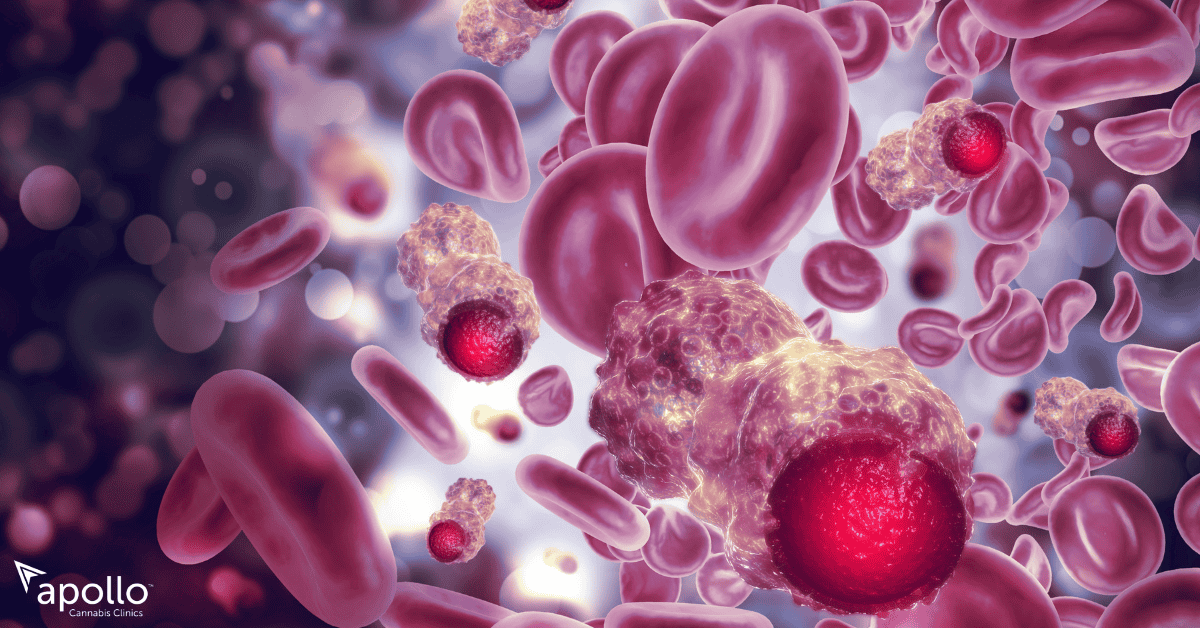
How To Manage CLL Cancer Symptoms with Medical Marijuana
What is CLL Cancer? Chronic Lymphocytic Leukemia (CLL) is a type of blood cancer that affects the bone marrow and lymphatic system. It’s a slow-progressing

If You Are:
If You Are:
Exploring the role of medical cannabis in symptom management for spinal cord injuries.

Living with a spinal cord injury (SCI) presents complex, multifaceted challenges that can dramatically impact quality of life. With approximately 86,000 Canadians currently living with SCI and 4,300 new cases each year, the need for effective, comprehensive symptom management solutions remains critical for this community.
Spinal cord injuries manifest differently depending on the location and severity of damage, resulting in varying degrees of motor and sensory function loss. However, beyond paralysis, SCI often leads to numerous secondary conditions that can be equally life-altering and challenging to treat with conventional approaches.
Some common challenges faced by people with spinal cord injuries include:
Traditional treatments typically involve physical rehabilitation, multiple medications for different symptoms (pain relievers, muscle relaxants, antispasmodics), and various assistive technologies. However, these approaches don’t work optimally for everyone, often come with significant side effects, and may address only isolated aspects of the condition. This reality has led many Canadians with SCI to explore complementary options, including medical cannabis, as part of their comprehensive care.
Research into cannabis for spinal cord injury management is growing, with promising evidence suggesting cannabinoids may help address multiple SCI-related symptoms through several mechanisms of action.
The effectiveness of cannabis for SCI symptoms may be linked to how cannabinoids interact with the endocannabinoid system, which plays crucial roles in pain modulation, motor control, and inflammatory responses—all directly relevant to SCI.
Here’s how cannabis may help:
This multifaceted approach to symptom management might explain why many SCI patients report improvements across several domains when using cannabis, often with fewer side effects than some conventional medications.
It’s important to note that while research shows promise, individual responses vary, and cannabis should be used under proper medical guidance as part of a comprehensive care plan, with attention to the specific needs and circumstances of each person with SCI.
For Canadians with spinal cord injuries, medical cannabis may offer several potential benefits:
Many patients report improvements in various SCI-related symptoms, including:
Beyond direct symptom relief, cannabis may help address broader concerns:
Medical cannabis comes in various forms, each with different onset times, durations, and potential benefits for SCI symptom management. Finding the right option depends on your specific symptoms, injury level, and treatment goals.
Many SCI patients find that a combination approach works best—perhaps using a longer-acting oil for baseline symptom control with a faster-acting option for breakthrough symptoms.
Your healthcare provider can help determine which forms might work best based on your specific injury level, symptom patterns, functional abilities, and treatment goals.
If you’re considering medical cannabis for spinal cord injury management in Canada, here’s how to begin the process:
To determine if medical cannabis may be appropriate for your situation:
Our streamlined process makes it easy:
If approved, you’ll receive:
Our care doesn’t end with your prescription:
Starting medical cannabis treatment for spinal cord injury is a significant decision that should complement, not replace, comprehensive rehabilitation and medical care. Our team of healthcare professionals specializes in cannabis medicine and can help you navigate this process safely and effectively through online prescription services across Canada.
An important consideration for anyone with a spinal cord injury is how medical cannabis might interact with other medications you may be taking as part of your treatment plan.
These interactions could affect how your medications work or potentially cause unwanted effects.
For your safety, always:
A comprehensive consultation with a healthcare provider experienced in both spinal cord injury management and cannabis medicine is essential to ensure your treatment plan considers all aspects of your condition, providing the best opportunity for successful symptom management with your online prescription.
Finding the right cannabis approach for spinal cord injury requires individualized guidance that considers your specific symptoms, injury level, and overall health. While we recommend consulting with a healthcare professional for personalized advice, here are some general principles:
These general guidelines must be tailored to your specific SCI level, symptom patterns, and overall health by a healthcare provider during your online consultation.
Remember that finding the optimal approach for SCI symptom management may take time and patience. Working with healthcare providers experienced in both spinal cord injury and cannabis medicine can significantly improve your results when getting an online prescription in Canada.
Find everything you need to know about being a medical cannabis patient below.
Yes, medical cannabis is legal in Canada with a valid prescription. Spinal cord injury is typically considered a qualifying condition due to the associated neuropathic pain and spasticity, which have substantial evidence supporting cannabinoid treatment.
Cannabis may help with many common SCI symptoms, particularly neuropathic pain, spasticity, sleep disturbances, and mood issues. However, it’s unlikely to address all aspects of SCI management. Most patients find cannabis works best as part of a comprehensive treatment plan that includes rehabilitation, appropriate assistive devices, and other medical interventions.
Some private insurers now offer coverage for medical cannabis, particularly for conditions like neuropathic pain. Coverage varies widely, so check with your insurance provider about specific policies. Many patients also qualify for medical cannabis expenses as tax deductions. Additionally, those with SCI resulting from workplace injuries or motor vehicle accidents may have coverage through workers’ compensation or auto insurance.
THC (tetrahydrocannabinol) and CBD (cannabidiol) offer different benefits for SCI:
This requires careful consideration and close medical supervision. Cannabis can potentially affect respiratory drive, which is a concern for those with high cervical injuries who may have compromised respiratory function. However, with appropriate product selection (often favouring CBD-dominant formulations), careful dosing, and monitoring, some ventilator-dependent patients do use cannabis successfully. This should always be discussed in detail with healthcare providers familiar with both SCI respiratory management and cannabis.
Autonomic dysreflexia (AD) is a potentially dangerous condition in injuries above T6 that causes sudden high blood pressure in response to stimuli below the injury level. While some patients report cannabis helps reduce AD episodes, possibly by decreasing pain and spasm triggers, research is limited. Cannabis should never be relied upon as the primary management strategy for AD. Always follow established AD protocols and discuss this specific concern with your healthcare team.
Some patients find cannabis provides spasticity relief comparable to medications like baclofen, tizanidine, or dantrolene, but with fewer side effects like extreme fatigue or weakness. Others use cannabis to enhance the effects of lower doses of these medications. The comparison varies greatly between individuals, and some patients benefit from combination approaches under medical supervision.
Yes, many patients with intrathecal baclofen pumps also use cannabis. There are no known direct interactions between cannabinoids and baclofen delivery systems. However, since both affect muscle tone and spasticity, combined effects should be monitored carefully, and your healthcare team managing the pump should be informed about your cannabis use.
Medical cannabis prescriptions in Canada typically need renewal every 3-6 months, depending on your healthcare provider’s recommendation and your response. Regular follow-ups help ensure the treatment remains effective and appropriate for your SCI symptom management.
Not everyone responds the same way to medical cannabis. If you don’t experience adequate benefits after a reasonable trial period or have unwanted side effects, your healthcare provider can help you explore other treatment options or different cannabis formulations. There are multiple approaches to SCI symptom management, and finding the right combination often takes time.
Some individuals with SCI report cannabis helps with sexual function by reducing pain and spasticity that might interfere with sexual activity, enhancing sensation in areas with partial preservation, and improving mood and relaxation. However, responses vary widely based on injury level and completeness. This can be discussed with your healthcare provider as part of a comprehensive approach to sexual health after SCI.
When used appropriately at therapeutic doses, cannabis should not interfere with rehabilitation efforts. In fact, many patients report improved participation in therapy due to better pain control and reduced spasticity. However, timing is important—many prefer to use cannabis after rather than before therapy sessions, and dosing should be adjusted to avoid excessive sedation or cognitive effects that might impact rehabilitation engagement.
What is CLL Cancer? Chronic Lymphocytic Leukemia (CLL) is a type of blood cancer that affects the bone marrow and lymphatic system. It’s a slow-progressing

Panic attacks are sudden episodes of intense discomfort or fear, typically ranging from 3-30 minutes. They are characterized by intense and often overlapping physical and

“We have demonstrated that regulated medical cannabis products can be incorporated into the care of cancer patients safely and effectively. After three months, the patients