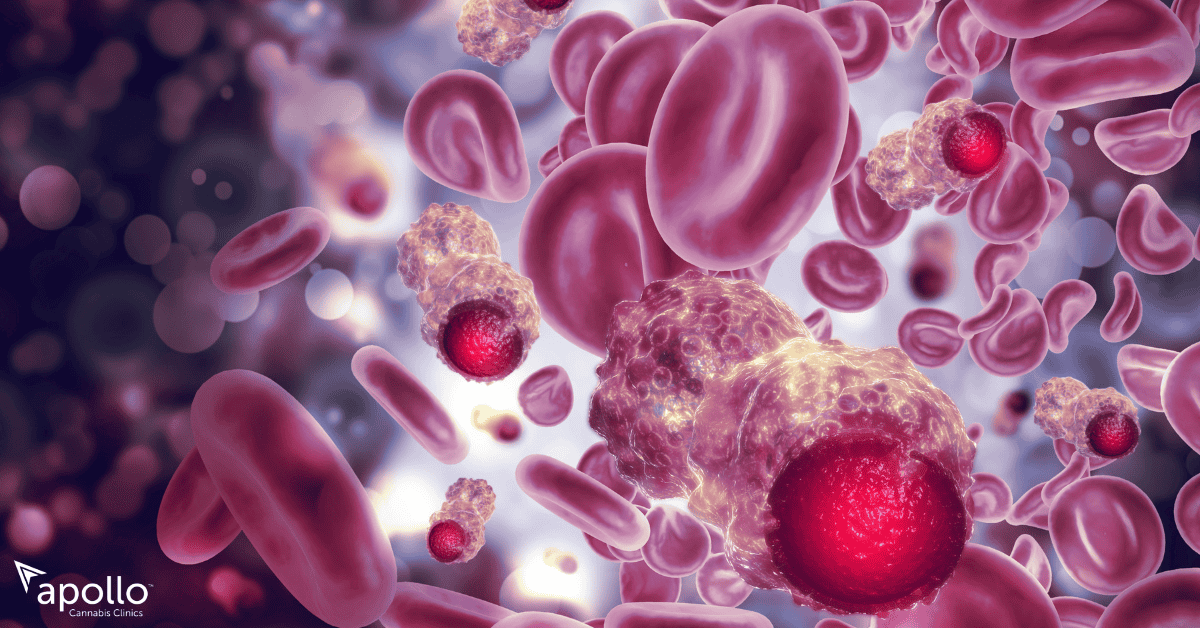
How To Manage CLL Cancer Symptoms with Medical Marijuana
What is CLL Cancer? Chronic Lymphocytic Leukemia (CLL) is a type of blood cancer that affects the bone marrow and lymphatic system. It’s a slow-progressing

If You Are:
If You Are:
With new cannabis-infused topicals, medical cannabis may be the newest tool in finding skincare flare-up relief.
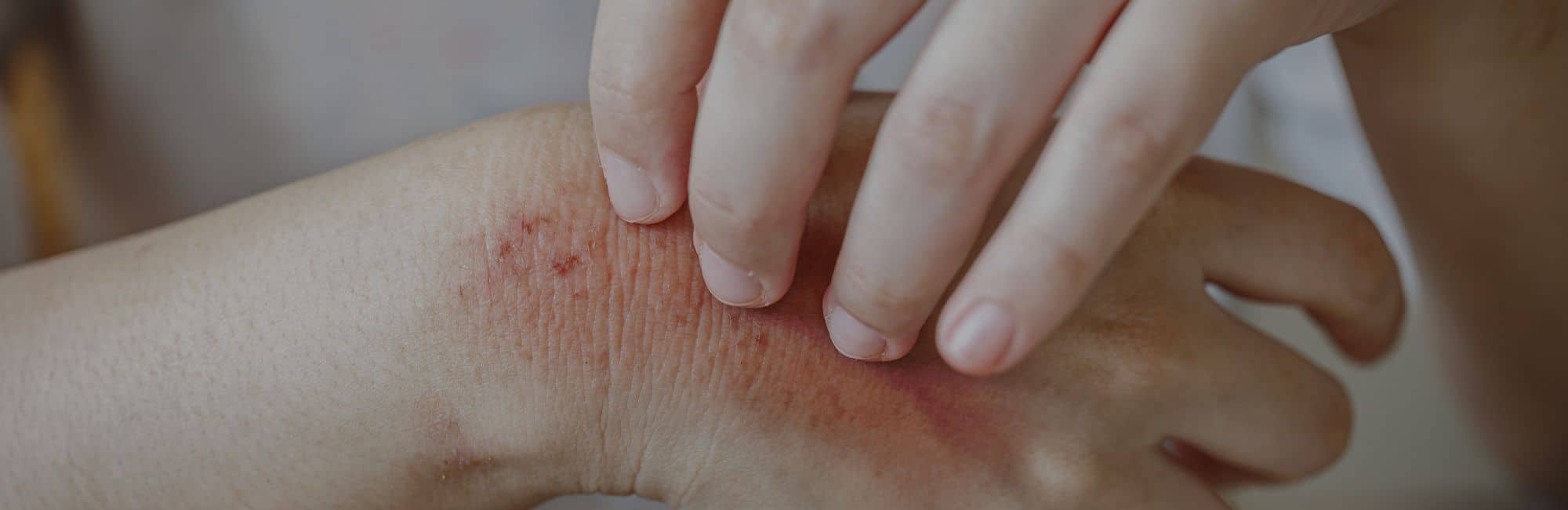
Living with chronic skin conditions can be physically uncomfortable and emotionally distressing. From persistent itching and inflammation to visible symptoms that impact self-confidence, skin disorders affect millions of Canadians, significantly diminishing quality of life and potentially leading to serious health complications when left untreated.
Skin conditions manifest through various symptoms depending on the specific disorder, but common experiences include inflammation, itching, pain, redness, and changes in skin texture or appearance. These symptoms can range from mild to severe and may affect small areas or the entire body.
Some common challenges faced by people with skin conditions include:
Traditional treatments typically involve topical medications, oral drugs, phototherapy, and lifestyle modifications. However, these approaches don’t work optimally for everyone, and many carry significant side effects with long-term use. This reality has led many Canadians to explore complementary or alternative options, including medical cannabis, for managing their skin conditions.
Research into cannabis for dermatological applications is growing, with promising evidence suggesting cannabinoids may help address various skin conditions through their anti-inflammatory, antipruritic (anti-itch), and antimicrobial properties.
The effectiveness of cannabis for skin conditions may be linked to how cannabinoids interact with the endocannabinoid system (ECS), which is present throughout the skin. The skin’s ECS plays crucial roles in maintaining homeostasis, regulating inflammation, cell growth, and immune responses—all key factors in dermatological health.
Here’s how cannabis may help:
This multifaceted interaction between cannabinoids and skin physiology might explain why cannabis products have shown potential for conditions like psoriasis, eczema, acne, and dermatitis.
It’s important to note that research is still developing in this field. Individual responses vary, and cannabis should be used under proper medical guidance, especially for persistent or severe skin conditions.
For Canadians with skin conditions, medical cannabis may offer several potential benefits:
Many patients report improvements in various skin-related symptoms, including:
| Skin Condition | Potential Cannabis Benefits |
| Psoriasis | May slow keratinocyte proliferation and reduce inflammation |
| Eczema/Dermatitis | Anti-inflammatory and anti-itch properties may reduce flare severity |
| Acne | Could help regulate sebum production and reduce inflammation |
| Pruritus (Itching) | Antipruritic effects may provide relief from persistent itching |
| Rosacea | Anti-inflammatory properties may reduce redness and flare-ups |
Many find cannabis beneficial as part of a comprehensive skin care approach:
While not everyone experiences these benefits, and cannabis is not a cure for skin conditions, many patients report meaningful improvements in their symptoms and quality of life when incorporating medical cannabis into their treatment plan under proper medical supervision.
Medical cannabis comes in various forms for dermatological use, each with different applications and potential benefits. Finding the right option depends on your specific skin condition, symptoms, and treatment goals.
Many patients with skin conditions find that a combination approach works best – perhaps using topical applications for localized symptoms alongside oral products for systemic effects or sleep support.
Your healthcare provider can help determine which forms might work best based on your specific skin condition, symptom patterns, lifestyle considerations, and treatment goals.
If you’re considering medical cannabis for a skin condition in Canada, here’s how to begin the process:
To determine if medical cannabis may be appropriate for your situation:
Our streamlined process makes it easy:
If approved, you’ll receive:
Our care doesn’t end with your prescription:
Starting medical cannabis treatment for a skin condition is a decision that should complement, not replace, proper dermatological care. Our team of healthcare professionals specializes in cannabis medicine and can help you navigate this process safely and effectively through online prescription services across Canada.
An important consideration for anyone with a skin condition is how medical cannabis might interact with other medications you may be taking, whether topical or systemic.
These interactions could affect how your medications work or potentially cause unwanted effects.
For your safety, always:
A comprehensive consultation with a healthcare provider experienced in both dermatological conditions and cannabis medicine is essential to ensure your treatment plan considers all aspects of your skin health, providing the best opportunity for successful symptom management with your online prescription.
Finding the right cannabis approach for skin conditions requires individualized guidance based on your specific condition and symptoms. While we recommend consulting with a healthcare professional for personalized advice, here are some general principles:
These general guidelines must be tailored to your specific skin condition by a healthcare provider during your online consultation.
Remember that dermatological responses to cannabis can take time. Consistency in application and patience with the process typically yield the best results when using cannabis for skin conditions.
Find everything you need to know about being a medical cannabis patient below.
Yes, medical cannabis is legal in Canada with a valid prescription. While skin conditions aren’t automatically qualifying in all cases, healthcare providers can prescribe cannabis if they determine it may benefit your specific dermatological symptoms, especially when conventional treatments have provided inadequate relief or caused significant side effects.
Cannabis is typically considered a management approach rather than a cure for chronic skin conditions. Many patients experience significant symptom improvement and better quality of life, but complete clearance of conditions like psoriasis or eczema is uncommon with any single treatment. Most effective approaches involve comprehensive care, with cannabis potentially serving as one valuable component.
Some private insurers now offer coverage for medical cannabis, but coverage varies widely. Check with your insurance provider about specific policies. Many patients also qualify for medical cannabis expenses as tax deductions.
CBD (cannabidiol) and THC (tetrahydrocannabinol) offer different benefits for skin conditions:
Yes, properly formulated topical cannabis products work locally at the application site with minimal absorption into the bloodstream. This means they typically don’t cause psychoactive effects, even when they contain THC. This makes topical applications particularly suitable for daytime use and for patients who want to avoid intoxication.
This depends on the specific formulation and your condition. Some cannabis preparations may be appropriate for compromised skin barriers, while others containing alcohols or potential irritants should be avoided on broken skin. Your healthcare provider can recommend appropriate products based on your specific skin condition and its current state.
Time Frames vary depending on the condition, product, and individual response. Some patients notice reduced itching or discomfort within hours of first application, while visible improvements in conditions like psoriasis or eczema typically require consistent use for 1-2 weeks or longer. Establishing realistic expectations and consistent application routines is important.
In many cases, yes, but this should always be done under medical supervision. Cannabis can sometimes complement conventional treatments, potentially allowing for reduced use of certain medications like topical steroids. However, proper timing of applications and monitoring for interactions is important. Always inform all healthcare providers about your complete treatment regimen.
Look for products that:
Your healthcare provider can recommend reputable products and licensed producers known for quality dermatological formulations.
Discontinue use immediately and cleanse the area gently. Contact your healthcare provider to report the reaction and discuss alternatives. Irritation could result from the cannabis itself or, more commonly, from other ingredients in the formulation. Alternative products with different carrier bases or formulations may be more suitable for your skin.
The strongest current evidence supports cannabis use for inflammatory skin conditions including psoriasis, eczema (atopic dermatitis), and general pruritus (itching). Emerging research also shows promise for acne, seborrheic dermatitis, and contact dermatitis. Research continues to evolve in this area, with new potential applications being studied regularly.
Many patients report that beyond physical symptom improvement, cannabis can help address the anxiety, stress, and sleep disturbances that often accompany visible skin conditions. Since stress frequently triggers flares of conditions like psoriasis and eczema, this stress-reducing effect may provide additional indirect benefits for skin health.
What is CLL Cancer? Chronic Lymphocytic Leukemia (CLL) is a type of blood cancer that affects the bone marrow and lymphatic system. It’s a slow-progressing
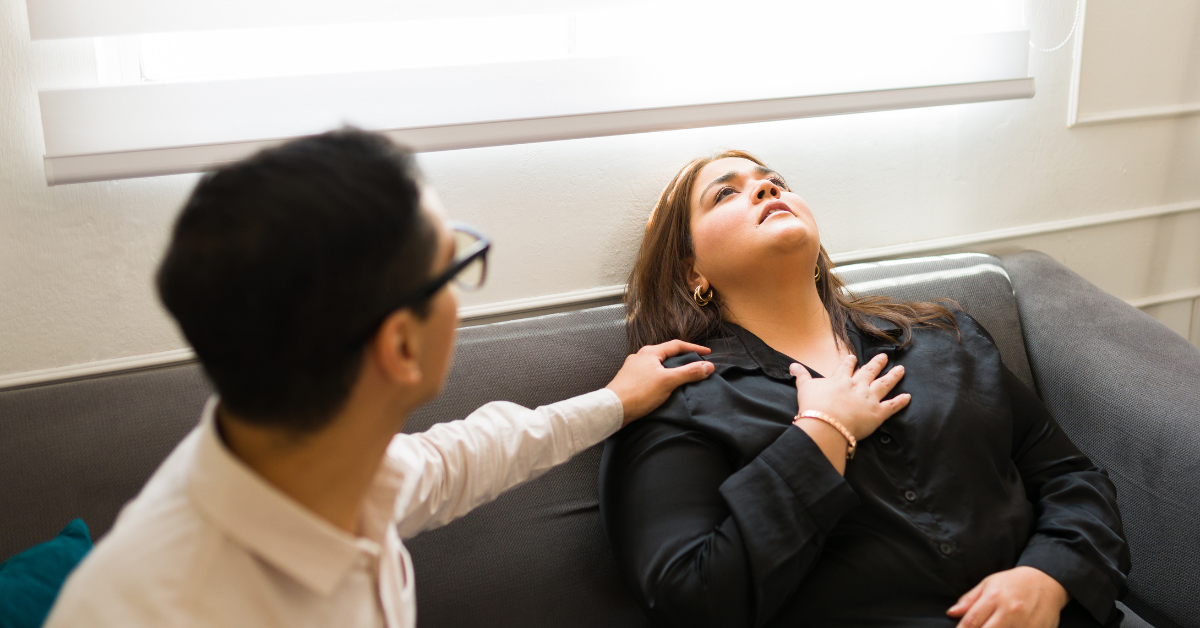
Panic attacks are sudden episodes of intense discomfort or fear, typically ranging from 3-30 minutes. They are characterized by intense and often overlapping physical and
“We have demonstrated that regulated medical cannabis products can be incorporated into the care of cancer patients safely and effectively. After three months, the patients