
How To Manage CLL Cancer Symptoms with Medical Marijuana
What is CLL Cancer? Chronic Lymphocytic Leukemia (CLL) is a type of blood cancer that affects the bone marrow and lymphatic system. It’s a slow-progressing

If You Are:
If You Are:
Living with glaucoma can be challenging as it can threaten your vision. How can medical cannabis help?
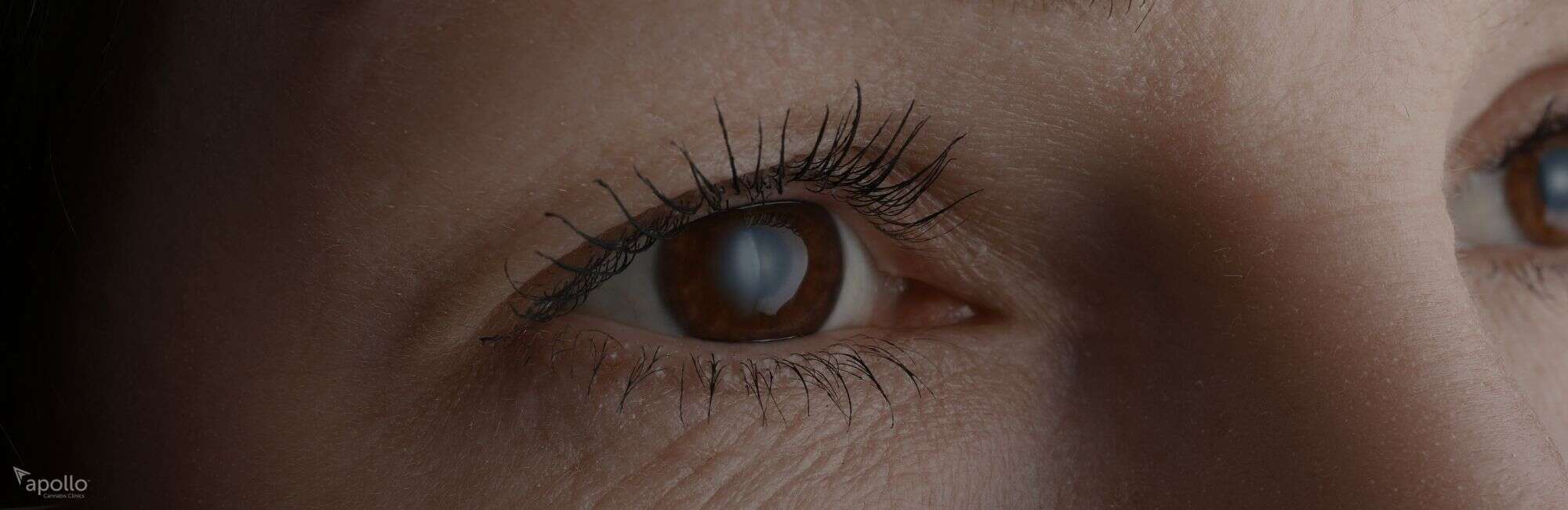
Living with glaucoma can be challenging and concerning as this progressive eye condition threatens your vision. As one of the leading causes of blindness worldwide, glaucoma affects thousands of Canadians, potentially leading to permanent vision loss if not properly managed.
Glaucoma primarily manifests as increased intraocular pressure (IOP) damages the optic nerve, though the condition varies between types and individuals. This damage leads to gradually worsening vision that, once lost, cannot be recovered, making effective treatment and management crucial.
Some common challenges faced by people with glaucoma include:
Traditional treatments typically involve eye drops, oral medications, laser procedures, or surgery aimed at lowering intraocular pressure. However, these approaches don’t work optimally for everyone, and many have significant side effects or compliance challenges. This has led many Canadians to explore complementary options, including medical cannabis.
Research into cannabis for glaucoma dates back to the 1970s, with studies consistently showing its ability to temporarily reduce intraocular pressure—the primary risk factor for glaucoma progression. Studies have demonstrated that cannabinoids can lower IOP by approximately 25-30% in some patients.
The effectiveness of cannabis for glaucoma is linked to how cannabinoids interact with the endocannabinoid system receptors found throughout the eye structures, including the ciliary body, trabecular meshwork, and retina.
Here’s how cannabis may help:
This interaction between cannabinoids and ocular structures might explain why some people with glaucoma report benefits from cannabis use, though its short duration of action presents challenges for long-term management.
It’s important to note that while research shows promise, the Canadian Ophthalmological Society and many eye specialists consider cannabis to be complementary rather than a replacement for conventional treatments due to its temporary effects and potential side effects. Cannabis should be used under proper medical guidance, especially for a sight-threatening condition like glaucoma.
For Canadians with glaucoma, medical cannabis may offer several potential benefits:
Many patients report improvements related to their glaucoma, including:
Others find cannabis helpful as an adjunct to traditional treatments:
| Traditional Glaucoma Treatment Concerns | Potential Cannabis Benefits |
| Local side effects from eye drops (redness, irritation) | Different mechanism of action |
| Systemic side effects from beta-blockers | Potentially fewer systemic side effects for some patients |
| Challenges with treatment adherence | Additional option in the treatment plan |
| Limited options for treatment-resistant cases | Alternative pathway for IOP reduction |
While not everyone experiences these benefits, and cannabis has its own limitations for glaucoma management, many patients report meaningful improvements when incorporating medical cannabis into their treatment plan under proper medical supervision.
Medical cannabis comes in various forms, each with different onset times, durations, and potential benefits for glaucoma. Finding the right option depends on your specific needs, lifestyle, and treatment goals.
Many glaucoma patients find that a combination approach works best – perhaps using a longer-acting form for baseline management with a faster-acting option for breakthrough symptoms or periods of higher pressure.
Your healthcare provider can help determine which forms might work best based on your specific type of glaucoma, pressure measurements, treatment goals, and integration with conventional treatments.
If you’re considering medical cannabis for glaucoma in Canada, here’s how to begin the process:
To determine if medical cannabis may be appropriate for your situation:
Our streamlined process makes it easy:
If approved, you’ll receive:
Our care doesn’t end with your prescription:
Starting medical cannabis treatment for glaucoma is a significant decision that should complement, not replace, specialized ophthalmological care. Our team of healthcare professionals can help you navigate this process safely and effectively through online prescription services across Canada.
An important consideration for anyone with glaucoma is how medical cannabis might interact with other glaucoma medications or treatments you may be using.
These interactions could affect how your medications work or potentially cause unwanted effects.
For your safety, always:
A comprehensive consultation with a healthcare provider is essential to ensure your treatment plan considers all aspects of your eye health and general wellbeing, providing the best opportunity for successful pressure management with your online prescription.
Finding the right cannabis dosage for glaucoma management is a personalized process requiring individualized guidance. While we recommend consulting with a healthcare professional for personalized advice, here are some general principles:
These general guidelines are based on standards from The College of Family Physicians of Canada but must be tailored to your specific glaucoma type and severity by a healthcare provider during your online consultation.
Remember that cannabis affects everyone differently, and finding your optimal dosage may take time and patience. Working with healthcare providers experienced in both cannabis and eye health can significantly improve your results when getting an online prescription in Canada.
Find everything you need to know about being a medical cannabis patient below.
Yes, medical cannabis is legal in Canada with a valid prescription. Glaucoma is often considered a qualifying condition due to the substantial research showing cannabinoids can reduce intraocular pressure, a key factor in glaucoma management.
Most ophthalmologists recommend using cannabis as a complementary approach rather than a replacement for conventional glaucoma treatments. This is primarily because cannabis’s effects on intraocular pressure are temporary (3-4 hours), while most standard treatments provide longer-lasting pressure control. Your treatment plan should be coordinated between your cannabis healthcare provider and ophthalmologist.
Some private insurers now offer coverage for medical cannabis, but coverage varies widely. Check with your insurance provider about specific policies. Many patients also qualify for medical cannabis expenses as tax deductions.
THC (tetrahydrocannabinol) and CBD (cannabidiol) affect glaucoma differently:
Yes, many patients use medical cannabis alongside conventional glaucoma treatments. Your cannabis healthcare provider should work in coordination with your ophthalmologist to ensure safe integration of cannabis into your existing treatment regimen.
Medical cannabis prescriptions in Canada typically need renewal every 3-12 months, depending on your healthcare provider’s recommendation and your glaucoma stability. Regular follow-ups help ensure the treatment remains effective and appropriate.
Cannabis use generally won’t interfere with most eye examinations, but it’s important to inform your ophthalmologist about your cannabis treatment. If you have a scheduled pressure check, maintaining your regular cannabis routine beforehand will give your doctor the most accurate picture of how the combined treatments are working.
Not everyone responds the same way to cannabis for IOP reduction. If you don’t experience adequate pressure lowering or have unwanted side effects, your healthcare provider can help you explore other treatment options. Regular pressure monitoring with your ophthalmologist is essential to evaluate effectiveness.
While cannabis has a lower dependence potential than many substances, dependence is possible. Proper medical supervision, appropriate dosing, and regular evaluation help minimize this risk.
Smoking any substance exposes the eyes to irritants that may cause redness and irritation. For glaucoma patients, other administration methods like oils, capsules, or vaporization may be preferable to avoid smoke exposure while still receiving therapeutic benefits.
Normal-tension glaucoma (where damage occurs despite normal pressure readings) may benefit from cannabis’s potential neuroprotective and blood flow enhancing properties beyond simple pressure reduction. Some research suggests cannabinoids may directly protect retinal cells from damage, which could be particularly relevant for normal-tension glaucoma patients.
What is CLL Cancer? Chronic Lymphocytic Leukemia (CLL) is a type of blood cancer that affects the bone marrow and lymphatic system. It’s a slow-progressing

Panic attacks are sudden episodes of intense discomfort or fear, typically ranging from 3-30 minutes. They are characterized by intense and often overlapping physical and

“We have demonstrated that regulated medical cannabis products can be incorporated into the care of cancer patients safely and effectively. After three months, the patients