How To Manage CLL Cancer Symptoms with Medical Marijuana
What is CLL Cancer? Chronic Lymphocytic Leukemia (CLL) is a type of blood cancer that affects the bone marrow and lymphatic system. It’s a slow-progressing

If You Are:
If You Are:
Psoriasis affects an estimated 1-3% of people in Canada. Medical cannabis, alongside the help of a healthcare professional, may offer relief from symptoms including pain, itchiness, inflammation, and anxiety.
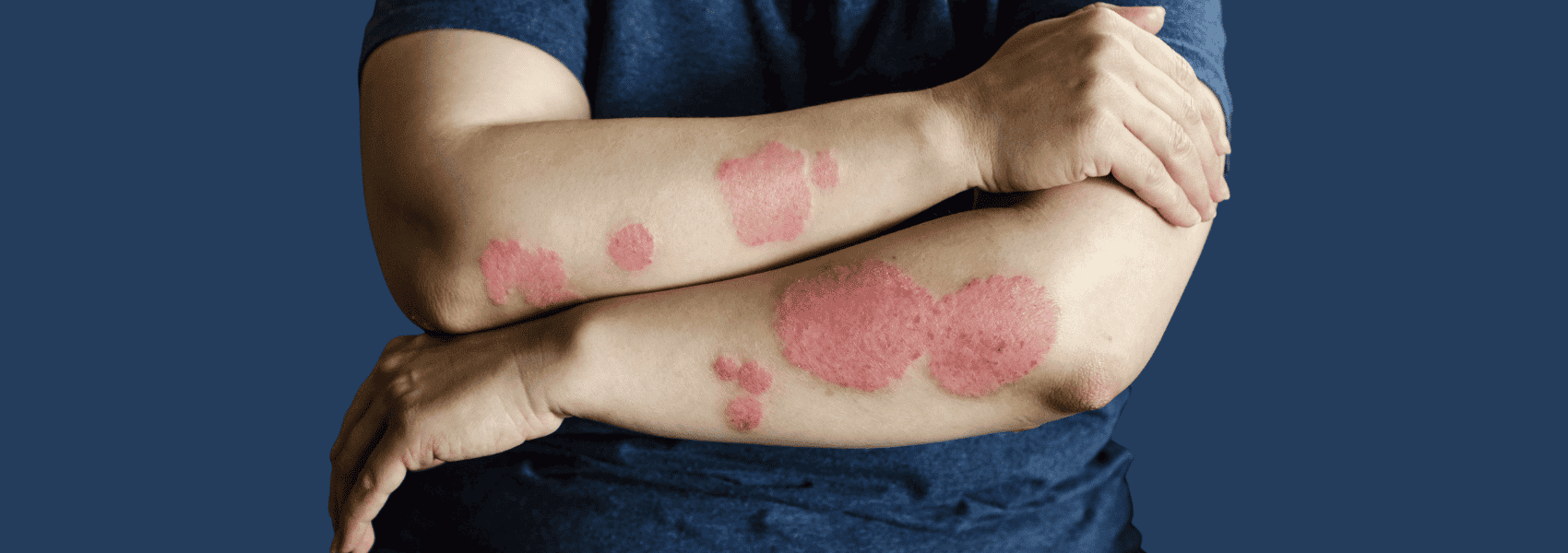
Living with psoriasis can be physically and emotionally challenging, affecting everything from your comfort to your confidence and overall quality of life. Psoriasis affects an estimated 1-3% of people in Canada, causing persistent symptoms that can be difficult to manage with conventional treatments alone.
This chronic autoimmune condition triggers rapid skin cell growth, leading to uncomfortable scaly patches, inflammation, and often significant discomfort. Beyond the visible symptoms, psoriasis can also impact mental health, with stress and anxiety both triggering flare-ups and resulting from the condition itself, creating a challenging cycle for many patients.
While traditional treatments provide relief for some, many Canadians with psoriasis continue to search for effective options to manage their symptoms. Medical cannabis, alongside the help of a healthcare professional, may offer relief from symptoms including pain, itchiness, inflammation, and anxiety, providing a complementary or alternative approach to conventional psoriasis management.
Psoriasis is an autoimmune chronic condition that causes cells to develop rapidly on the skin. Typically, new skin cells grow monthly, but with psoriasis, new cells grow every 2 to 4 days. This overgrowth can lead to thick scaly plaques that may itch and cause discomfort. Environmental triggers can also cause the emergence of symptoms.
There are different forms of psoriasis, each with distinct characteristics:
Psoriasis can manifest with various symptoms, including:
Several factors can trigger or worsen psoriasis symptoms:
Understanding your specific triggers can be crucial in managing psoriasis effectively and developing a comprehensive treatment approach.
Through both research and anecdotal results from patients, medical cannabis has shown to be an effective treatment option for many, both as a primary and secondary option. Recent research has shown that CBD and other cannabinoids applied topically may improve the symptoms of psoriasis. Oral and ingestible treatment options such as oils and softgels can help for a longer period of time, managing some of the triggers of psoriasis.
The effectiveness of cannabis for psoriasis may be linked to several mechanisms:
A symptom of both psoriasis and psoriatic arthritis. An early 2009 study found that some cannabinoids in the cannabis plant can help regulate the immune system and reduce on-site inflammation. Another research study from 2016 suggested that some cannabinoids might benefit people with psoriasis by affecting the interaction between the immune and nervous systems. The use of medical cannabis to regulate inflammation has become more common as ongoing research studies utilize CBD as an effective anti-inflammatory.
For those with psoriasis, the skin cells reproduce too quickly. In 2017, a study found that cannabinoids may slow the growth of skin cells and reduce their accumulation on the skin’s surface. While much more research needs to be done on the topic, cannabis has shown in preliminary studies to be effective at slowing the growth of tumours whose cells replicate rapidly.
Cannabis, especially THC, can help reduce pain signalling and provide pain relief in some patients. A 2015 article in JAMA noted there is significant scientific evidence to indicate cannabinoids can help with pain. Apollo’s own published research study of over 700 chronic pain patients found both a large reduction in perceived pain and a reduction in the need for opioid use to manage said pain. For psoriasis and psoriatic arthritis patients, cannabis may help them manage their pain and discomfort.
A 2017 review noted that cream containing palmitoylethanolamide (PEA), which has an incidence on cannabinoid type-1 receptors, appeared to reduce itching. More research is needed here, but positive results may be tied to the reduction in inflammation and cell growth.
Psoriasis and psoriatic arthritis are chronic conditions that for now, have no known cure. With that said, it can have a negative impact on a person’s mental health. As we know, stress can be a trigger for psoriasis flare-ups as well as depression and inflammation. Medical cannabis has been shown to assist with anxiety, stress, and sleep issues in patients, and provides a great alternative to pharmaceutical options that are often more harmful to the body and include more unwanted side effects.
For Canadians struggling with psoriasis, medical cannabis may offer several potential benefits:
Many patients report improvements in core psoriasis symptoms, including:
Others find cannabis helpful as a complementary treatment to address the limitations or side effects of conventional psoriasis treatments:
Medical cannabis comes in various forms, each with different onset times, durations, and potential benefits for psoriasis management. Finding the right option depends on your specific symptoms and needs.
Many psoriasis patients find that a combination approach works best—perhaps using a topical cannabis preparation directly on affected areas alongside an oil or capsule for systemic effects and stress management.
Your healthcare provider can help determine which forms might work best based on your specific psoriasis type, symptom patterns, and previous experience with cannabis.
If you’re considering medical cannabis for psoriasis in Canada, here’s how to begin the process:
To determine if medical cannabis may be appropriate for your situation:
Our streamlined process makes it easy:
If approved, you’ll receive:
Our care doesn’t end with your prescription:
Starting medical cannabis treatment for psoriasis is a significant decision. Our team of healthcare professionals specializes in cannabis medicine and can help you navigate this process safely and effectively through online prescription services across Canada.
An important consideration for anyone with psoriasis is how medical cannabis might interact with other psoriasis medications or treatments you may be using.
These interactions could affect how your medications work or potentially cause unwanted effects.
For your safety, always:
A comprehensive consultation with a healthcare provider at Apollo Cannabis is essential to ensure your treatment plan considers all aspects of your health, providing the best opportunity for successful symptom management with your online prescription.
Finding the right cannabis dosage for psoriasis management is a personalized process requiring individualized guidance. While we recommend consulting with a healthcare professional for personalized advice, here are some general principles:
These general guidelines are based on standards from The College of Family Physicians of Canada but must be tailored to your specific needs by a healthcare provider during your online consultation.
Remember that cannabis affects everyone differently, and finding your optimal dosage may take time and patience. Working with a healthcare provider experienced in cannabis for dermatological conditions can significantly improve your results when getting an online prescription in Canada.
Find everything you need to know about being a medical cannabis patient below.
Yes, medical cannabis is legal in Canada with a valid prescription. While psoriasis isn’t automatically qualifying, healthcare providers can prescribe cannabis if they determine it may benefit your condition, especially when conventional treatments have been inadequate.
Medical cannabis is not currently considered a cure for psoriasis but may help manage symptoms and reduce flare-ups. Most patients report improvements in specific symptoms like inflammation, itching, and pain rather than complete clearance. Cannabis is typically most effective as part of a comprehensive management approach.
CBD (cannabidiol) and THC (tetrahydrocannabinol) affect psoriasis symptoms differently:
Yes, topical cannabis products specifically formulated for skin application may be beneficial for psoriasis. These include creams, balms, and oils that can be applied directly to affected areas. CBD-dominant topicals are particularly popular as they provide localized relief without systemic effects.
Products containing THC may result in positive drug tests, while CBD-only products with no THC should not. If drug testing is a concern for work or other reasons, discuss this with your healthcare provider who can help select appropriate products with minimal or no THC.
Many patients report that cannabis helps manage the stress, anxiety, and sleep issues that often accompany psoriasis. Since stress is a common trigger for flare-ups, this emotional benefit may indirectly improve skin symptoms as well. CBD in particular has shown promise for anxiety management without intoxicating effects.
Some private insurers now offer coverage for medical cannabis, but coverage varies widely. Check with your insurance provider about specific policies. Many patients also qualify for medical cannabis expenses as tax deductions.
What is CLL Cancer? Chronic Lymphocytic Leukemia (CLL) is a type of blood cancer that affects the bone marrow and lymphatic system. It’s a slow-progressing

Panic attacks are sudden episodes of intense discomfort or fear, typically ranging from 3-30 minutes. They are characterized by intense and often overlapping physical and

“We have demonstrated that regulated medical cannabis products can be incorporated into the care of cancer patients safely and effectively. After three months, the patients