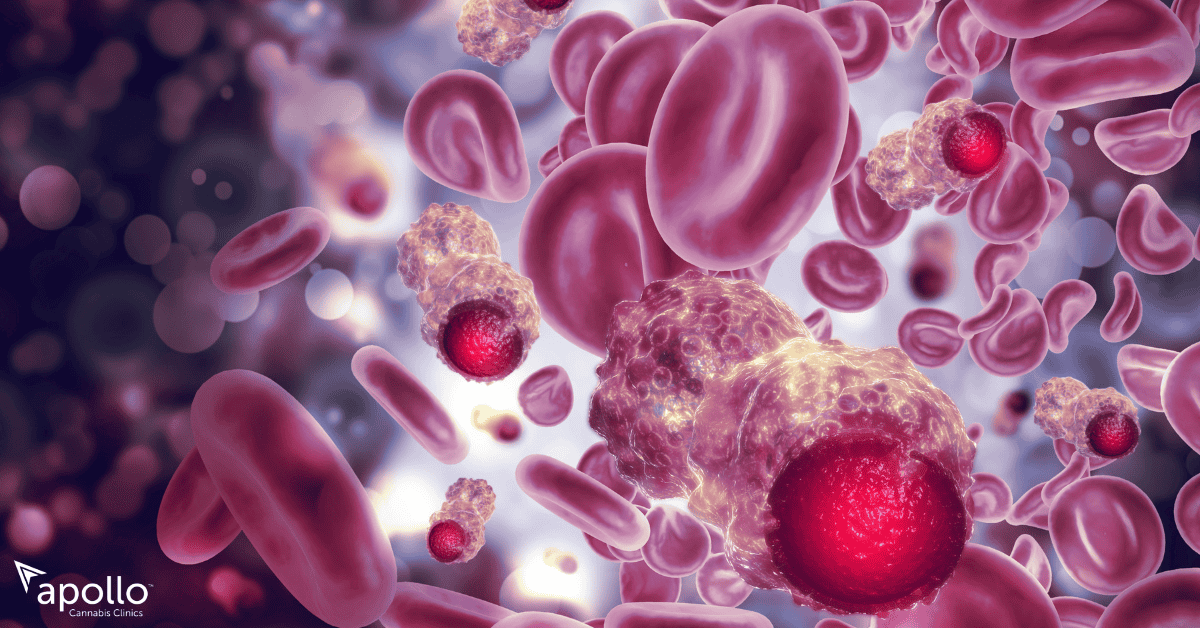
How To Manage CLL Cancer Symptoms with Medical Marijuana
What is CLL Cancer? Chronic Lymphocytic Leukemia (CLL) is a type of blood cancer that affects the bone marrow and lymphatic system. It’s a slow-progressing

If You Are:
If You Are:
Helping Canadians improve their sleep quality and quantity with Medical Cannabis.

Living with a sleep disorder can significantly impact your quality of life, affecting everything from your physical health and cognitive function to your emotional wellbeing and daily performance. Sleep disorders affect up to 40% of Canadians and can lead to serious health risks over time. Sleep, like eating healthy and exercising, is a crucial component in your body and brain’s ability to function normally.
“Long working days, social and family responsibilities, irregular shift work and illness can lead to self-imposed sleep restriction, while an untreated or undiagnosed physiological condition may cause a chronic disorder that disrupts the quantity or quality of sleep,” said Dr. Frank Ryan, a consultant to the Sleep Disorders Program at UBC Hospital.
While traditional sleep medications offer relief for some, many Canadians experience unwanted side effects or find these treatments inadequate for their needs. Medical cannabis has emerged as a potential alternative approach that many people are exploring to help improve their sleep quality and duration.
Sleep disorders is an umbrella term which encompasses a variety of conditions that affect the ability to sleep well regularly. These conditions can impact both the quality and quantity of sleep, leading to daytime sleepiness, difficulty functioning, and an increased risk of various health problems.
Chronic sleep problems can lead to significant health consequences, including:
Given these serious potential outcomes, effective management of sleep disorders is crucial for overall health and well-being.
Although medical cannabis research is in its infancy, the applications of cannabis for sleep disorders is promising. There have been numerous subjective reports on how cannabis is beneficial to improving sleep quality and duration, and many individuals are turning to cannabis to achieve better sleep.
The effectiveness of cannabis for sleep may be linked to several mechanisms:
Research in this area continues to evolve, with studies examining both the short and long-term effects of various cannabis compounds on different aspects of sleep.
For Canadians struggling with sleep disorders, medical cannabis may offer several potential benefits:
Many patients report improvements in sleep-related symptoms, including:
Others find cannabis helpful as a complementary treatment to address the limitations or side effects of conventional sleep medications:
| Traditional Sleep Medication Concerns | Potential Cannabis Benefits |
| Next-day grogginess | Some formulations may produce less residual sedation |
| Risk of dependence with benzodiazepines | Different mechanism of action |
| Complex sleep behaviors with Z-drugs | Potentially different side effect profile |
| Limited long-term options | May be suitable for longer-term use in some cases |
While not everyone experiences these benefits, many patients report meaningful improvements in their sleep when incorporating medical cannabis into their treatment plan under proper medical supervision.
Product selection is extremely important when using medical cannabis for sleep. There are two main varieties of cannabis, indica and sativa, and they have very different effects.
Cannabis indica is known for its sleep-inducing qualities and relaxation effects. Indica strains are more appropriate for night-time use and help to relax the muscles and mind, producing a deeper sleep. These strains typically:
Cannabis sativa is well known for its energizing and uplifting effects and is great for daytime use. Sativa strains would be an excellent choice for individuals who suffer from daytime fatigue due to lack of sleep. These strains typically:
Many sleep disorder patients find that a combination approach works best – perhaps using a faster-acting method to help fall asleep combined with a longer-acting method to maintain sleep through the night.
Your healthcare provider can help determine which forms might work best based on your specific sleep issues, lifestyle, and previous experience with cannabis.
If you’re considering medical cannabis for sleep disorders in Canada, here’s how to begin the process:
To determine if medical cannabis may be appropriate for your situation:
Our streamlined process makes it easy:
If approved, you’ll receive:
Our care doesn’t end with your prescription:
Starting medical cannabis treatment for sleep disorders is a significant decision. Our team of healthcare professionals specializes in cannabis medicine and can help you navigate this process safely and effectively through online prescription services across Canada.
For optimal results, medical cannabis should be used as part of a comprehensive approach to sleep health that includes good sleep hygiene practices:
Medical cannabis works best when combined with these healthy sleep practices, rather than being relied upon as the sole solution for sleep issues.
Finding the right cannabis dosage for sleep management is a personalized process requiring individualized guidance. While we recommend consulting with a healthcare professional for personalized advice, here are some general principles:
These general guidelines are based on standards from The College of Family Physicians of Canada but must be tailored to your specific needs by a healthcare provider during your online consultation.
Remember that cannabis affects everyone differently, and finding your optimal dosage may take time and patience. Working with a healthcare provider experienced in cannabis for sleep can significantly improve your results when getting an online prescription in Canada.
Find everything you need to know about being a medical cannabis patient below.
Yes, medical cannabis is legal in Canada with a valid prescription. Sleep disorders, particularly insomnia that hasn’t responded adequately to conventional treatments, can qualify for a medical cannabis prescription when assessed by a healthcare provider.
Individual responses vary. Some people report feeling more refreshed after using cannabis for sleep compared to traditional sleep medications, while others may experience some residual effects. Starting with low doses, using appropriate strains, and proper timing can help minimize morning grogginess.
THC (tetrahydrocannabinol) and CBD (cannabidiol) affect sleep differently:
As with many sleep aids, there is potential for psychological dependence or habituation with regular use. Using the lowest effective dose, incorporating good sleep hygiene practices, and occasionally taking breaks from use can help minimize this risk. Your healthcare provider can help develop a plan that addresses these concerns.
THC may reduce REM sleep (where most dreaming occurs) in the short term, which some people find beneficial if they experience nightmares. With regular use, this effect may diminish. When discontinuing regular cannabis use, some people experience a temporary increase in dream intensity as REM sleep rebounds.
Finding the optimal cannabis regimen for sleep often requires some trial and adjustment. Most patients need 2-4 weeks to determine if a particular product and dosage is effective. During this time, working closely with your healthcare provider and keeping detailed records of your sleep patterns will help guide adjustments.
Some private insurers now offer coverage for medical cannabis, but coverage varies widely. Check with your insurance provider about specific policies. Many patients also qualify for medical cannabis expenses as tax deductions.
What is CLL Cancer? Chronic Lymphocytic Leukemia (CLL) is a type of blood cancer that affects the bone marrow and lymphatic system. It’s a slow-progressing

Panic attacks are sudden episodes of intense discomfort or fear, typically ranging from 3-30 minutes. They are characterized by intense and often overlapping physical and

“We have demonstrated that regulated medical cannabis products can be incorporated into the care of cancer patients safely and effectively. After three months, the patients