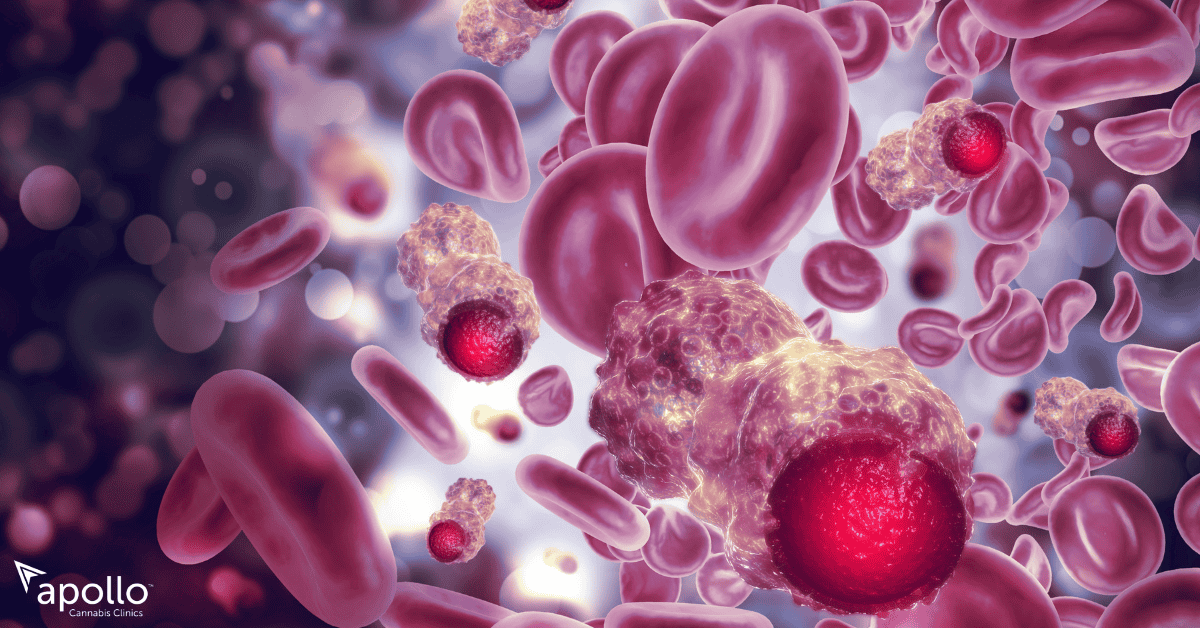
How To Manage CLL Cancer Symptoms with Medical Marijuana
What is CLL Cancer? Chronic Lymphocytic Leukemia (CLL) is a type of blood cancer that affects the bone marrow and lymphatic system. It’s a slow-progressing

If You Are:
If You Are:
A chronic inflammatory disease that predominantly affects those of reproductive age. Clinical research has found individuals are using medical cannabis to treat symptoms of endometriosis as an alternative to traditional pharmaceuticals.

Living with endometriosis can make everyday life extremely challenging. As a chronic inflammatory disease that predominantly affects people of reproductive age, endometriosis creates persistent pain and discomfort that impacts quality of life for many Canadians.
Endometriosis manifests differently in each person, but common symptoms include severe pelvic pain, painful periods, and chronic inflammation. These symptoms can significantly disrupt daily functioning at work, home, and in personal relationships.
Some common challenges faced by people with endometriosis include:
Traditional treatments typically involve medications, hormone therapy, and surgery, but these don’t work optimally for everyone. Side effects and limited effectiveness have led many Canadians to explore alternative options, including medical cannabis.
Research into cannabis for endometriosis is growing, with promising early results. Clinical research has found that individuals are increasingly using medical cannabis to treat endometriosis symptoms as an alternative to traditional pharmaceuticals.
The effectiveness of cannabis for endometriosis is linked to how it interacts with the endocannabinoid system, which is crucial in regulating many key aspects of physical and emotional health, including:
Here’s how cannabis may help:
Research in mice has shown that activating THC receptors inhibits endometriotic tissue from growing and spreading. Additionally, the concept of “clinical endocannabinoid deficiency syndrome” is being studied in connection with conditions like endometriosis, fibromyalgia, and irritable bowel syndrome.
It’s important to note that research is still developing in this area. Individual responses vary, and cannabis should be used under proper medical guidance.
For Canadians struggling with endometriosis, medical cannabis may offer several potential benefits:
Many patients report improvements in core endometriosis symptoms, including:
Others find cannabis helpful as a complementary treatment to address the side effects of conventional endometriosis treatments:
| Traditional Endometriosis Treatment Concerns | Potential Cannabis Benefits |
| GI side effects (nausea, digestive issues) | Fewer reported GI side effects |
| Hormonal side effects (mood changes, weight gain) | Alternative non-hormonal approach |
| Concerns about long-term NSAID use | Different mechanism of action |
| Invasive surgical interventions | Potential non-surgical symptom management |
While not everyone experiences these benefits, a local Australian survey has shown that many patients report meaningful improvements in their quality of life when incorporating medical cannabis into their endometriosis treatment plan under proper medical supervision.
Medical cannabis comes in various forms, each with different onset times, durations, and potential benefits for endometriosis management. Finding the right option depends on your specific symptoms and lifestyle needs.
Many endometriosis patients find that a combination approach works best—perhaps using a longer-acting oil for day-long pain management with a faster-acting option for breakthrough symptoms.
Your healthcare provider can help determine which forms might work best based on your specific endometriosis symptoms, daily schedule, and previous experience with cannabis.
If you’re considering medical cannabis for endometriosis in Canada, here’s how to begin the process:
Starting medical cannabis treatment for endometriosis is a significant decision. Our team of healthcare professionals specializes in cannabis medicine and can help you navigate this process safely and effectively through online prescription services across Canada.
An important consideration for anyone with endometriosis is how medical cannabis might interact with other medications.
These interactions could affect how your medications work or potentially cause unwanted effects.
For your safety, always:
A comprehensive consultation with a healthcare provider at Apollo Cannabis is essential to ensure your treatment plan considers all aspects of your health, providing the best opportunity for successful symptom management with your online prescription.
Finding the right cannabis dosage for endometriosis management is a personalized process requiring individualized guidance. While we recommend consulting with a healthcare professional for personalized advice, here are some general principles:
Starting Your Cannabis Treatment:
Gradual adjustments:
Tracking response:
These general guidelines are based on standards from The College of Family Physicians of Canada but must be tailored to your specific needs by a healthcare provider during your online consultation.
Remember that cannabis affects everyone differently, and finding your optimal dosage may take time and patience. Working with a healthcare provider experienced in cannabis for endometriosis can significantly improve your results when getting an online prescription in Canada.
Find everything you need to know about being a medical cannabis patient below.
Medical cannabis has been found to provide symptom relief for Endometriosis including reducing pain, reducing inflammation, and improving mental health. Some individuals state they have been able to reduce their use of pharmaceutical medications prescribed for Endometriosis.
Ingestible options (Oil and/or gelcaps) are often recommended. This is because their effects can take effect in your body for up to 8 to 12 hours and provide patients with extended relief throughout the day or night. There are also other options available that include dry flowers, edibles, beverages, and more. You can work with your Apollo healthcare practitioner to find and decide what is going to work best for you and your personal preferences.
Individuals looking to use medical cannabis as a treatment option for Endometriosis may use it either alongside other medications such as pharmaceuticals or as their primary medication. It is usually recommended to be taken consistently to be effective, but there is generally no immediate harm if doses are missed. Please always consult with a healthcare professional before starting or stopping any medication.
Our physicians and patient care specialists work 1-on-1 with you to find your optimal dose. As every person’s body is different, we start slow and create a personalized dosing schedule for you. If at any time you feel like you need to make adjustments, we are here to support you by phone and email 7 days a week.
Yes, medical cannabis is legal in Canada with a valid prescription. While endometriosis isn’t automatically qualifying, healthcare providers can prescribe cannabis if they determine it may benefit your condition, especially when conventional treatments have been inadequate.
Yes, many patients use medical cannabis alongside traditional endometriosis medications. However, dosage adjustments may be necessary, and some interactions are possible. Always inform your healthcare provider about all medications you’re taking to ensure safe treatment.
Some private insurers now offer coverage for medical cannabis, but coverage varies widely. Check with your insurance provider about specific policies. Many patients also qualify for medical cannabis expenses as tax deductions.
What is CLL Cancer? Chronic Lymphocytic Leukemia (CLL) is a type of blood cancer that affects the bone marrow and lymphatic system. It’s a slow-progressing

Panic attacks are sudden episodes of intense discomfort or fear, typically ranging from 3-30 minutes. They are characterized by intense and often overlapping physical and

“We have demonstrated that regulated medical cannabis products can be incorporated into the care of cancer patients safely and effectively. After three months, the patients