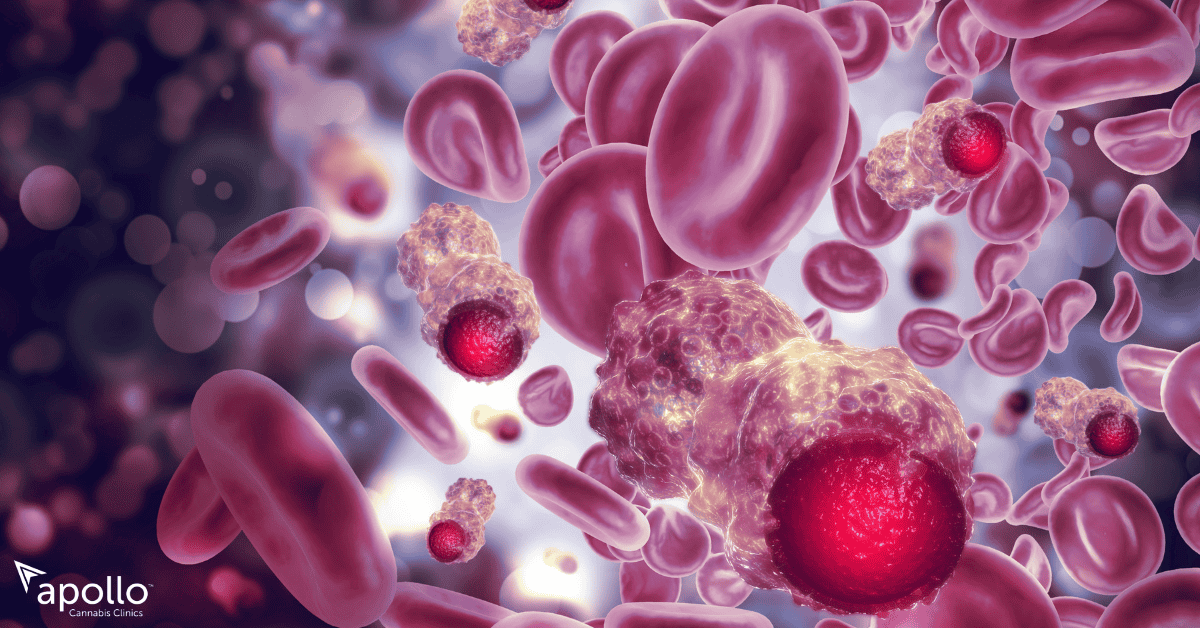
How To Manage CLL Cancer Symptoms with Medical Marijuana
What is CLL Cancer? Chronic Lymphocytic Leukemia (CLL) is a type of blood cancer that affects the bone marrow and lymphatic system. It’s a slow-progressing

If You Are:
If You Are:
There’s some interest in using cannabis to treat symptoms of bipolar disorder and/or schizophrenia.

Living with schizophrenia presents unique challenges that impact nearly every aspect of daily life, from social relationships to work performance to overall well being. As a complex neuropsychiatric condition, schizophrenia affects how a person thinks, feels, and behaves, often making it difficult to distinguish between what is real and what is not.
While conventional treatments for schizophrenia typically focus on antipsychotic medications and therapy, there’s growing interest in exploring complementary approaches that might help manage specific symptoms or side effects. There’s some interest in using cannabis to treat symptoms of bipolar disorder and/or schizophrenia, though this area requires careful consideration and medical supervision.
It’s important to note that the relationship between cannabis and schizophrenia is complex. Research suggests that for some individuals, particularly those with a genetic predisposition, recreational cannabis use may be associated with an increased risk of psychosis. However, specific cannabinoids under medical supervision might have different effects than recreational use, and some preliminary research suggests potential benefits for certain symptoms.
Schizophrenia is a primary psychotic disorder, and bipolar disorder is a primary mood disorder, but can also involve psychosis. Differentiating between the two can sometimes be difficult because of some similar symptoms.
Schizophrenia is a chronic and severe mental disorder that affects how a person thinks, feels, and behaves. People with schizophrenia may seem like they have lost touch with reality, which causes significant distress for the individual, their family members, and friends.
The condition typically emerges in late adolescence or early adulthood, with onset usually occurring between the ages of 16-30. It affects approximately 1% of the population worldwide and is considered one of the most debilitating psychiatric conditions.
Symptoms of schizophrenia are often categorized into three main types:
These are thoughts, perceptions, and behaviours that are not normally present:
These represent a reduction or loss of normal functions:
These involve problems with attention and mental tasks:
The overlap between some of these symptoms and those found in bipolar disorder can sometimes make diagnosis challenging. For instance, jumping from one idea to another and being unusually distracted during a manic episode may resemble “disorganized thinking,” characteristic of schizophrenia.
Schizophrenia can significantly impact various aspects of a person’s life:
Several factors may contribute to the development of schizophrenia:
The relationship between cannabis and schizophrenia is multifaceted and requires careful consideration:
Research indicates that recreational cannabis use, particularly high-THC varieties during adolescence, may be associated with an increased risk of developing psychosis in vulnerable individuals. Factors that may influence this risk include:
This relationship is complex and does not affect all users, but it’s an important consideration when discussing cannabis in the context of schizophrenia.
Despite the risks associated with recreational use, specific cannabinoids under medical supervision are being investigated for potential therapeutic benefits:
It’s crucial to note that research in this area is still preliminary, and any consideration of cannabis use in schizophrenia must be approached with caution and under close medical supervision.
For individuals with schizophrenia, medical cannabis presents both potential benefits and significant risks that must be carefully weighed:
Studies are exploring whether carefully monitored medical cannabis, particularly CBD-dominant formulations, might offer certain benefits:
Any consideration of medical cannabis for schizophrenia must involve a comprehensive risk-benefit analysis performed by healthcare providers with expertise in both schizophrenia and cannabinoid medicine.
If medical cannabis is being considered as part of a schizophrenia treatment plan, several important principles should guide this approach:
If you’re considering discussing medical cannabis as a complementary approach to schizophrenia treatment, here’s how to begin the process:
Before booking an appointment:
Our streamlined process makes it easy:
During your consultation:
If a trial of medical cannabis is recommended:
Our approach to schizophrenia is characterized by extreme caution, evidence-based decision-making, and close coordination with your existing mental health providers. In many cases, we may determine that medical cannabis is not appropriate, and we will honestly communicate this recommendation.
If you have schizophrenia or a related condition, several important considerations should guide any discussion about cannabis:
Find everything you need to know about being a medical cannabis patient below.
Medical cannabis, particularly THC-containing products, is generally not recommended for schizophrenia due to the potential risk of exacerbating psychotic symptoms. However, some research is exploring whether CBD (cannabidiol) alone might have potential benefits. Any consideration of cannabis use should involve careful consultation with psychiatric specialists and close monitoring.
Some preliminary research suggests CBD may have antipsychotic properties that could potentially help with certain schizophrenia symptoms. However, this research is still in early stages, and CBD should not be considered a replacement for proven antipsychotic medications. If CBD is considered, it should be as a complementary approach under medical supervision.
Yes, cannabis can interact with many psychiatric medications, including antipsychotics. These interactions may affect how your medications work or increase side effects. It’s essential to discuss all potential interactions with your healthcare provider and never adjust your medication regimen without medical supervision.
While some people report cannabis helps with anxiety, the picture is complicated for those with schizophrenia. THC can potentially increase anxiety and psychotic symptoms in vulnerable individuals. If anxiety management is a goal, CBD-only products might be considered, but only after discussion with your psychiatric care team and with careful monitoring.
Yes, significant differences exist. Recreational cannabis often contains high levels of THC, which may increase psychosis risk. Medical cannabis is prescribed under healthcare supervision, with carefully selected cannabinoid ratios (often CBD-dominant), controlled dosing, and regular monitoring. The distinction is particularly important for individuals with schizophrenia.
If you experience worsening of psychotic symptoms, increased paranoia, hallucinations, or significant mood changes while using cannabis, stop use immediately and contact your healthcare provider or local emergency services. Having a predetermined safety plan is essential if you choose to trial medical cannabis.
What is CLL Cancer? Chronic Lymphocytic Leukemia (CLL) is a type of blood cancer that affects the bone marrow and lymphatic system. It’s a slow-progressing

Panic attacks are sudden episodes of intense discomfort or fear, typically ranging from 3-30 minutes. They are characterized by intense and often overlapping physical and

“We have demonstrated that regulated medical cannabis products can be incorporated into the care of cancer patients safely and effectively. After three months, the patients