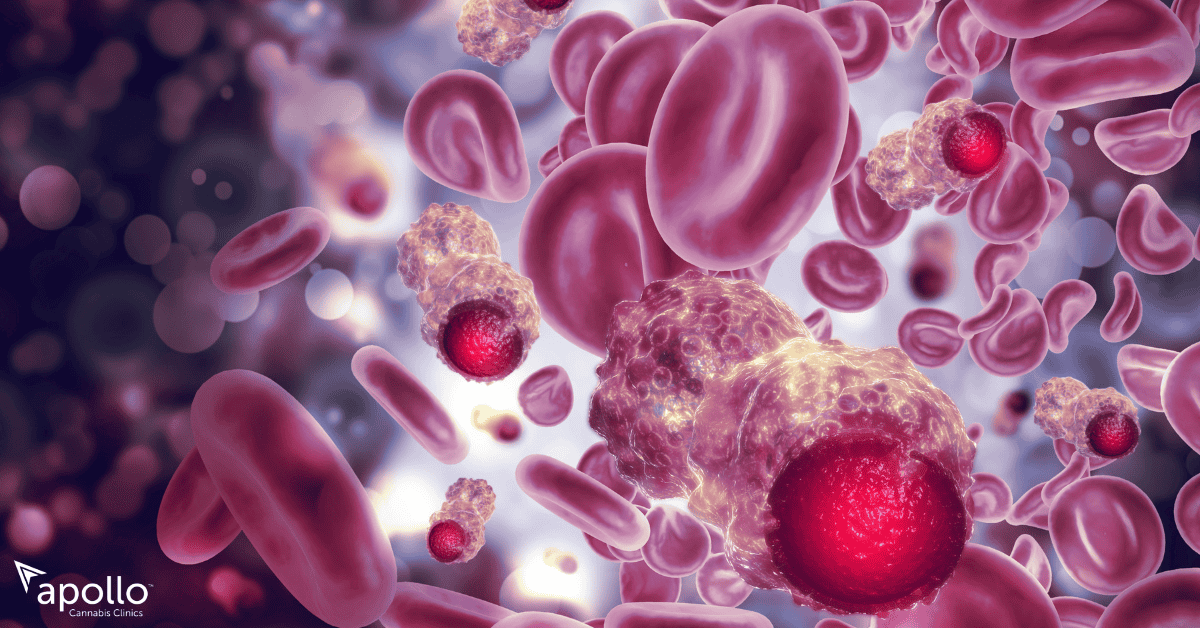
How To Manage CLL Cancer Symptoms with Medical Marijuana
What is CLL Cancer? Chronic Lymphocytic Leukemia (CLL) is a type of blood cancer that affects the bone marrow and lymphatic system. It’s a slow-progressing


Living with arthritis can make even simple daily tasks like opening a jar or turning a doorknob incredibly difficult. As a condition affecting approximately 10% of Canadians, arthritis doesn’t just cause occasional discomfort – it can create persistent pain and mobility challenges that significantly impact quality of life.
Arthritis manifests differently depending on the type, with osteoarthritis (OA) and rheumatoid arthritis (RA) being the most common. Both types can cause significant pain, inflammation, and reduced functionality in affected joints, making everyday activities increasingly challenging.
Some common challenges faced by people with arthritis include:
Traditional treatments typically involve pain medications, anti-inflammatories, and physical therapy, but these don’t work optimally for everyone. Side effects and limited effectiveness have led many Canadians to explore alternative options, including medical cannabis.

Research into cannabis for arthritis is growing, with promising early results. Studies have shown that certain compounds in cannabis may help reduce inflammation and modify pain signalling between receptors.
The effectiveness of cannabis for arthritis may be linked to how it interacts with the body’s endocannabinoid system, which plays a key role in regulating inflammation and pain responses.
Here’s how cannabis may help:
This interaction between cannabis compounds and the body’s natural systems might explain why some people report decreased arthritis symptoms when using cannabis, often without the harsh side effects associated with conventional pain medications.
It’s important to note that research is still developing in this area. Individual responses vary, and cannabis should be used under proper medical guidance.
For Canadians struggling with arthritis, medical cannabis may offer several potential benefits:
Many patients report improvements in core arthritis symptoms, including:
Others find cannabis helpful as a complementary treatment to address various aspects of arthritis management:
| Traditional Arthritis Medication Concerns | Potential Cannabis Benefits |
| Gastrointestinal side effects from NSAIDs | Fewer reported digestive side effects |
| Dependency risks with opioid pain relievers | Lower dependence potential |
| Liver and kidney concerns with long-term use | Different mechanism of action |
| Limited effectiveness over time | Alternative approach for long-term management |
While not everyone experiences these benefits, many patients report meaningful improvements in their quality of life when incorporating medical cannabis into their arthritis treatment plan under proper medical supervision.
Different types of arthritis may respond differently to medical cannabis treatment. Here’s how cannabis may help with specific forms:
Osteoarthritis affects about 10% of Canadians and primarily impacts the joints with common areas being the hands, spine, knees, and hips.
How Cannabis May Help:
Common OA Challenges and Cannabis Benefits:
Rheumatoid arthritis is an autoimmune disease that causes joint inflammation and affecting other body systems.
How Cannabis May Help:
Medical cannabis comes in various forms, each with different onset times, durations, and potential benefits for arthritis management. Finding the right option depends on your specific symptoms and lifestyle needs.
Many arthritis patients find that a combination approach works best—perhaps using a topical for localized joint pain, a longer-acting oil for day-long pain management, and a faster-acting option for breakthrough pain.
Your healthcare provider can help determine which forms might work best based on your specific arthritis type, affected joints, daily schedule, and previous experience with cannabis.
If you’re considering medical cannabis for arthritis in Canada, here’s how to begin the process:
To determine if medical cannabis may be appropriate for your situation:
Our streamlined process makes it easy:
If approved, you’ll receive:
Our care doesn’t end with your prescription:
Starting medical cannabis treatment for arthritis is a significant decision. Our team of healthcare professionals specializes in cannabis medicine and can help you navigate this process safely and effectively through online prescription services across Canada.
An important consideration for anyone with arthritis is how medical cannabis might interact with other medications.
These interactions could affect how your medications work or potentially cause unwanted effects, particularly with common arthritis medications like NSAIDs, corticosteroids, and DMARDs.
For your safety, always:
A comprehensive consultation with a healthcare provider is essential to ensure your treatment plan considers all aspects of your health, providing the best opportunity for successful symptom management with your online prescription.
Finding the right cannabis dosage for arthritis management is a personalized process requiring individualized guidance. While we recommend consulting with a healthcare professional for personalized advice, here are some general principles:
These general guidelines are based on standards from The College of Family Physicians of Canada but must be tailored to your specific needs by a healthcare provider during your online consultation.
Remember that cannabis affects everyone differently, and finding your optimal dosage may take time and patience. Working with a healthcare provider experienced in cannabis for arthritis can significantly improve your results when getting an online prescription in Canada.
What is CLL Cancer? Chronic Lymphocytic Leukemia (CLL) is a type of blood cancer that affects the bone marrow and lymphatic system. It’s a slow-progressing

Panic attacks are sudden episodes of intense discomfort or fear, typically ranging from 3-30 minutes. They are characterized by intense and often overlapping physical and

“We have demonstrated that regulated medical cannabis products can be incorporated into the care of cancer patients safely and effectively. After three months, the patients