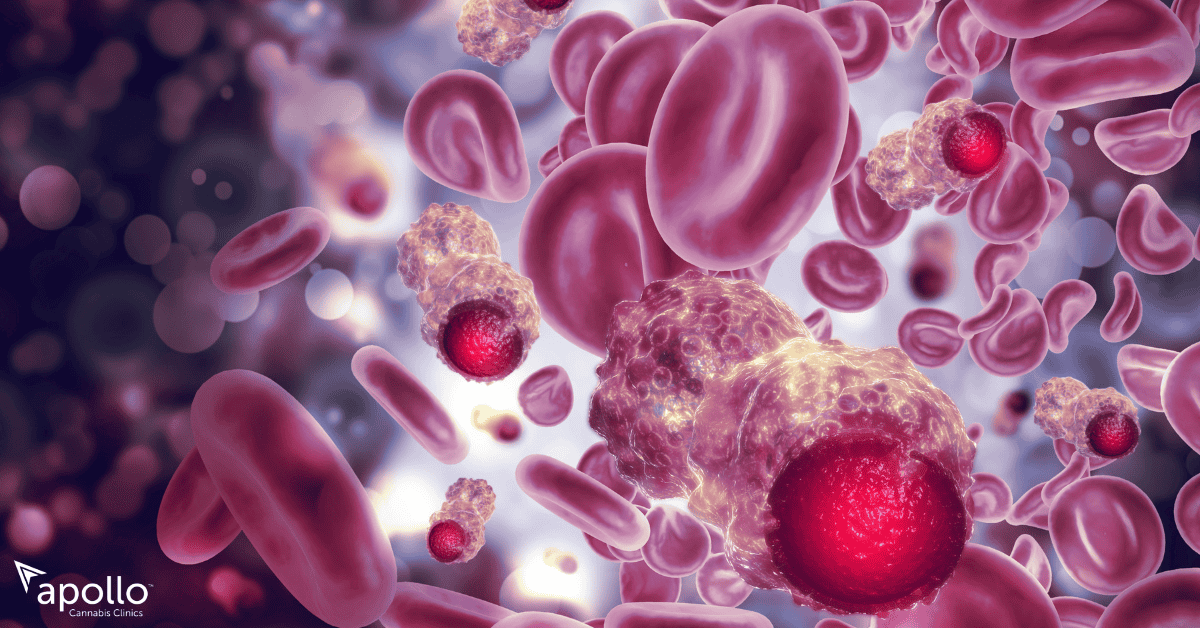
How To Manage CLL Cancer Symptoms with Medical Marijuana
What is CLL Cancer? Chronic Lymphocytic Leukemia (CLL) is a type of blood cancer that affects the bone marrow and lymphatic system. It’s a slow-progressing

If You Are:
If You Are:
Though it is a deadly disease, the earlier cancer is detected and diagnosed, the better chance for treatment and survival. Medical Cannabis has been shown to assist with the management of cancer-related symptoms.

Living with cancer and undergoing cancer treatments can create significant challenges that impact quality of life. While cancer itself is a complex and devastating disease that occurs when abnormal cells grow and divide uncontrollably, the treatments designed to fight cancer often come with their own set of difficult side effects that patients must endure.
Cancer manifests differently depending on the type and stage, affecting various body systems and creating a wide range of symptoms. Early detection and diagnosis significantly improve the chances for effective treatment and survival, but the journey through cancer treatment remains challenging for many Canadians.
Some common challenges faced by people with cancer include:
Research into cannabis for cancer symptom management is growing, with promising results for several aspects of cancer care. A large study from the Journal of Pain and Symptom Management found that 70% of cancer patients reported an improvement in pain and general well-being after using cannabis.
The effectiveness of cannabis for cancer-related symptoms may be linked to how cannabinoids interact with the body’s endocannabinoid system, which plays a role in regulating pain, inflammation, appetite, and nausea.
Here’s how cannabis may help cancer patients:
It’s important to note that while these preclinical studies show promise, medical cannabis is currently used primarily for symptom management rather than as a direct cancer treatment. Cannabis should be used as part of a comprehensive cancer care plan under proper medical guidance.
For Canadians undergoing cancer treatment, medical cannabis may offer several potential benefits:
Many patients report improvements in cancer and treatment-related symptoms, including:
Others find cannabis helpful as a complementary treatment to address various aspects of cancer care:
Different types of cancer may benefit from tailored approaches to cannabis treatment. Here’s how cannabis may help with specific cancer types:
One of the most common cancers affecting Canadians, breast cancer treatment often involves surgery, chemotherapy, radiation, and hormone therapy.
How Cannabis May Help:
A common cancer in men that may be treated with surgery, radiation therapy, hormone therapy, or watchful waiting depending on the stage.
How Cannabis May Help:
Often treated with surgery, chemotherapy, radiation, targeted therapy, or immunotherapy, lung cancer treatments can cause significant side effects.
How Cannabis May Help:
Treatments typically include surgery, chemotherapy, and radiation, which can cause significant digestive system side effects.
How Cannabis May Help:
Often treated with surgery, radiation, or topical treatments depending on the type and stage.
How Cannabis May Help:
Medical cannabis comes in various forms, each with different onset times, durations, and potential benefits for cancer symptom management. Finding the right option depends on your specific symptoms and treatment needs.
Many cancer patients find that a combination approach works best—perhaps using a longer-acting oil for day-long symptom management with a faster-acting option for breakthrough symptoms like sudden nausea or pain.
Your healthcare provider can help determine which forms might work best based on your specific cancer type, treatment regimen, symptoms, and personal preferences.
If you’re considering medical cannabis as part of your cancer care in Canada, here’s how to begin the process:
To determine if medical cannabis may be appropriate for your situation:
Our streamlined process makes it easy:
If approved, you’ll receive:
Our care doesn’t end with your prescription:
Starting medical cannabis treatment as part of cancer care is a significant decision. Our team of healthcare professionals specializes in cannabis medicine and can help you navigate this process safely and effectively through online prescription services across Canada.
An important consideration for anyone with cancer is how medical cannabis might interact with cancer treatments and medications.
These interactions could affect how your cancer treatments work or potentially cause unwanted effects, particularly with chemotherapy drugs, pain medications, and anti-nausea medications.
For your safety, always:
A comprehensive consultation with a healthcare provider is essential to ensure your cannabis treatment plan complements your cancer care, providing the best opportunity for successful symptom management with your online prescription.
Finding the right cannabis dosage for cancer symptom management is a personalized process requiring individualized guidance. While we recommend consulting with a healthcare professional for personalized advice, here are some general principles:
These general guidelines are based on clinical experience but must be tailored to your specific needs by a healthcare provider during your online consultation.
Remember that cannabis affects everyone differently, and finding your optimal dosage may take time and patience. Working with a healthcare provider experienced in cannabis for cancer can significantly improve your results when getting an online prescription in Canada.
Find everything you need to know about being a medical cannabis patient below.
Yes, medical cannabis is legal in Canada with a valid prescription. Cancer and cancer-related symptoms are well-established qualifying conditions, making it easier for cancer patients to access medical cannabis when appropriate.
While some preclinical laboratory studies show promising effects of certain cannabinoids on cancer cells, medical cannabis is not currently recognized as a treatment or cure for cancer itself. Its primary role is in managing cancer symptoms and treatment side effects while improving quality of life during conventional cancer treatments.
Response time varies based on the administration method. Vaporized cannabis may provide relief within minutes, while oils and edibles can take 30-90 minutes to take effect. Many patients time their cannabis dose shortly before chemotherapy to help prevent nausea before it becomes severe.
Many oncologists are becoming more supportive of medical cannabis as complementary care for symptom management. However, attitudes vary. It’s always best to discuss your interest in cannabis with your oncology team. We can provide educational materials to share with your oncologist if needed.
Potential interactions exist, but they vary widely depending on specific chemotherapy protocols. Some cannabis compounds may affect how the liver processes certain drugs. This is why it’s crucial to inform both your cannabis healthcare provider and oncology team about all treatments you’re receiving.
CBD-dominant products with minimal THC provide many benefits (particularly for inflammation and certain types of pain) without significant psychoactive effects. If you’re concerned about feeling “high,” your healthcare provider can recommend formulations and dosing strategies to minimize these effects while maximizing symptom relief.
Many patients report improvements in mood, reduced anxiety, and better emotional well-being with appropriate cannabis use. The psychological impact of a cancer diagnosis and treatment is significant, and some find that cannabis helps manage this aspect of the cancer journey alongside physical symptoms.
THC-containing formulations are typically most effective for appetite stimulation. Low doses taken about an hour before meals can help increase food interest and enjoyment. Your healthcare provider can recommend specific products and timing strategies for this purpose.
Some private insurers now offer coverage for medical cannabis, but coverage varies widely. Veterans Affairs Canada provides coverage for eligible veterans. Check with your insurance provider about specific policies. Many patients also qualify for medical cannabis expenses as tax deductions under medical expenses.
What is CLL Cancer? Chronic Lymphocytic Leukemia (CLL) is a type of blood cancer that affects the bone marrow and lymphatic system. It’s a slow-progressing

Panic attacks are sudden episodes of intense discomfort or fear, typically ranging from 3-30 minutes. They are characterized by intense and often overlapping physical and

“We have demonstrated that regulated medical cannabis products can be incorporated into the care of cancer patients safely and effectively. After three months, the patients